LOCAL TECH. REVIVED. REUSED. RECONNECTED.
Give spare devices a useful second life as self-hosting nodes.
SalvageNet is building an open device layer for preparing and supervising Linux on qualified spare hardware. The goal is private, understandable infrastructure that leaves workload management to the tools you already use.
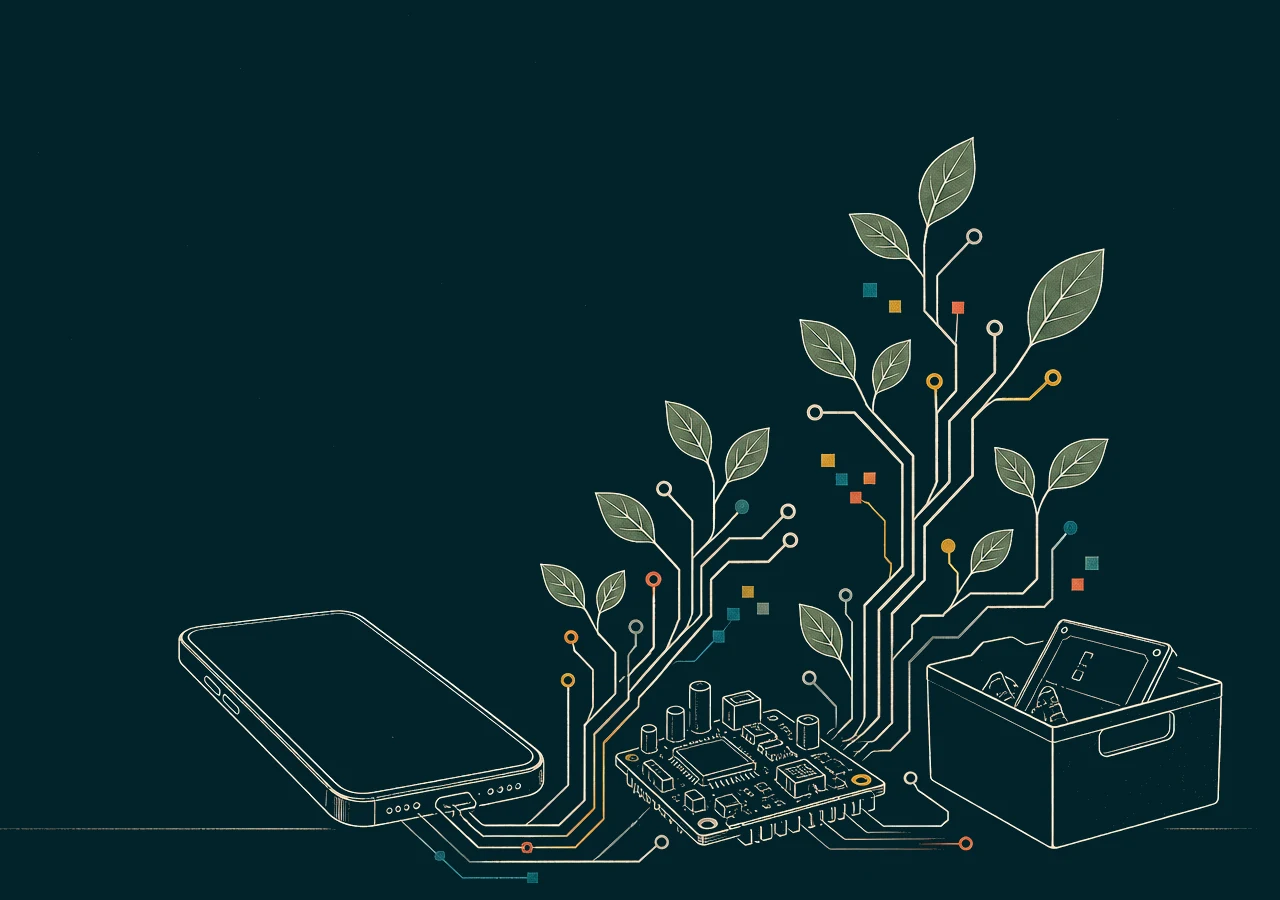
Spare device → private Linux host
Keep capable hardware in use.
Keep good hardware in use
Give a capable device another job instead of leaving it in a drawer.
Keep it under your control
Run services on your own hardware and reach them through a private network.
Keep your existing tools
Add a host layer without replacing the open-source software you already use.

A small host layer beneath the tools you know.
Start with a spare device.
The first target is a retired Android phone that still has useful life in it.
Give it a Linux host.
SalvageNet is designed to prepare Linux, connect it privately, and supervise its lifecycle.
Use the tools you know.
SalvageNet is designed to let Docker, Kubernetes, Nomad, SSH, and similar tools keep working in their usual way.
The software foundation is being qualified now.
Core host, profile, artifact, lifecycle, and security checks are in place. The next step is to prove the complete path on real hardware before calling SalvageNet a validated MVP.
- Reuse capable hardware
- Keep control local
- Build on familiar tools